2-04: RESP Withdrawals
RESPs are accounts that have other accounts inside of them…kind of like Russian nesting dolls. And you can’t just take the money out and hope for the best…well, you can, but it’s likely to result in the government getting money that could have been yours, if only you knew how to get at it.
Read More
2-03: Spending With Intention
For many of us, the decisions we make about what to spend our money on are our most direct participation in the world of finance. Control over what we buy can sometimes feel like the only control we have, even if that control is limited by how much income we have and what the basic necessities of life cost.
Read More
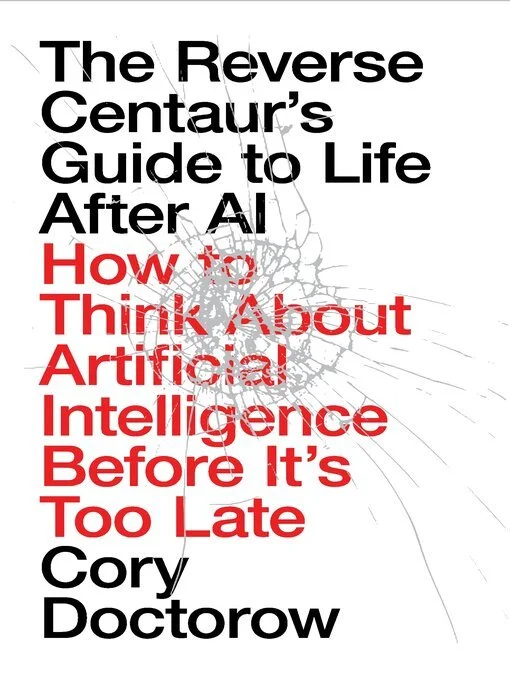
Book Review: The Reverse Centaur's Guide to Life After AI by cory doctorow
The Reverse Centaur’s Guide to Life After AI, by Cory Doctorow, is an easy to read, deeply researched, and by turns hilarious and infuriating book that explains exactly how we got here, how the AI bubble was built, for whom, who will walk away rich and happy when it pops, and what regular people will be left with when it’s over.
Read More
2-02: How Long Will You Live?
Life expectancy is math. It’s a number that comes from how long other people have lived in the past, and it describes how many more years you might live from today. It’s important for financial planning, but it’s even more important for changing the world.
Read More
Financial Planning When Incorporated
If you own a corporation, you need to work with an Advice Only Planner who has the expertise and interest to give you the best advice possible.
Read More